

2026 Packaging Trends for the Food and Drinks Industry
Throughout our decades of supporting brands, manufacturers and retailers with their packaging requirements, here at Aegg, we’ve seen how global events, shifting consumer behaviour and evolving legislation can reshape the industry almost overnight. While predicting the future is never an exact science, 2026 is already signalling a year of significant change, and not all of it is easy.
The global economic outlook is, frankly, a little uncertain. Costs are rising, disposable income is tightening, and businesses are under pressure to do more with less. Yet within these challenges lie opportunities for innovation, efficiency and smarter packaging choices. Here are the trends we believe will shape the food and drinks packaging landscape in 2026.
1. Extended Producer Responsibility (EPR): Now Fully Embedded and Driving Design Change
With EPR now firmly part of business-as-usual, brands are feeling the financial impact of modulated fees more sharply than ever. Packaging that is difficult to recycle is being penalised, while simpler, lighter, more recyclable formats are rewarded.
What this means for 2026
- Lightweighting and right‑weighting accelerate as brands seek to reduce EPR costs. (read our lightweighting technical article)
- Glass innovation increases: to help reduce EPR costs, expect more lightweight glass bottles, improved furnace efficiency, and new structural designs that reduce material without compromising strength.
- Material simplification becomes standard practice, with brands stripping out unnecessary components such as secondary labels, mixed materials, and decorative elements that hinder recyclability.
EPR is no longer a future consideration: it’s a cost line on every P&L, and it’s reshaping packaging decisions across the board.
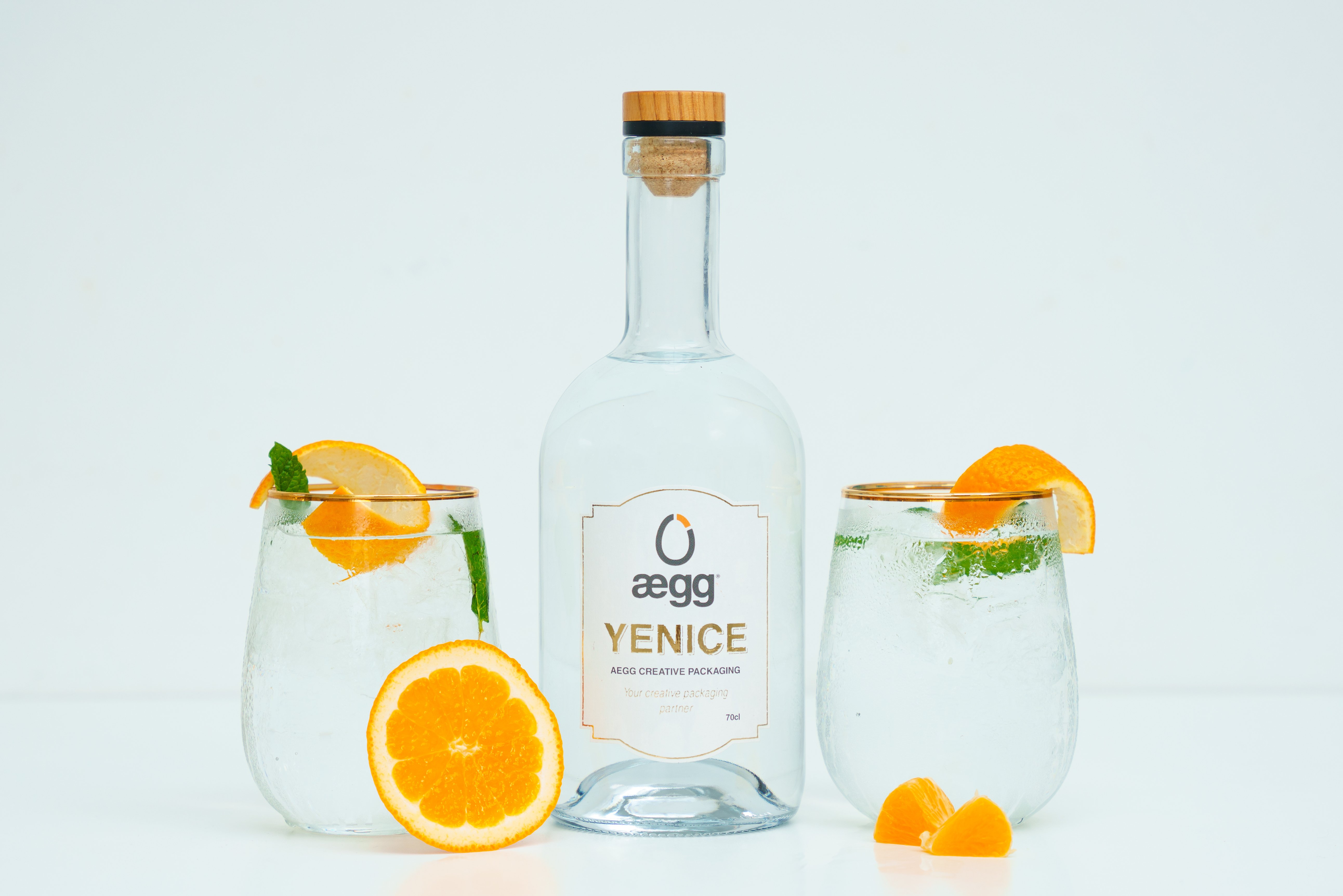
Aegg's lighter weight drinks bottle, the Yenice
2. Plastic Packaging Tax (PPT): Inflation-Linked Increases Push Recycled Content Demand
The Plastic Packaging Tax continues to rise annually in line with inflation, placing additional pressure on brands using packaging with less than 30% recycled content.
Key impacts
- Demand for food‑safe recycled polymers intensifies, especially rPET and rPP.
- Innovation in recycled materials accelerates, as brands seek reliable, high‑quality supply.
- Competition for recycled content increases, pushing businesses to secure long-term supply agreements.
- For many brands, meeting PPT thresholds is no longer just a sustainability goal; it’s a financial necessity.
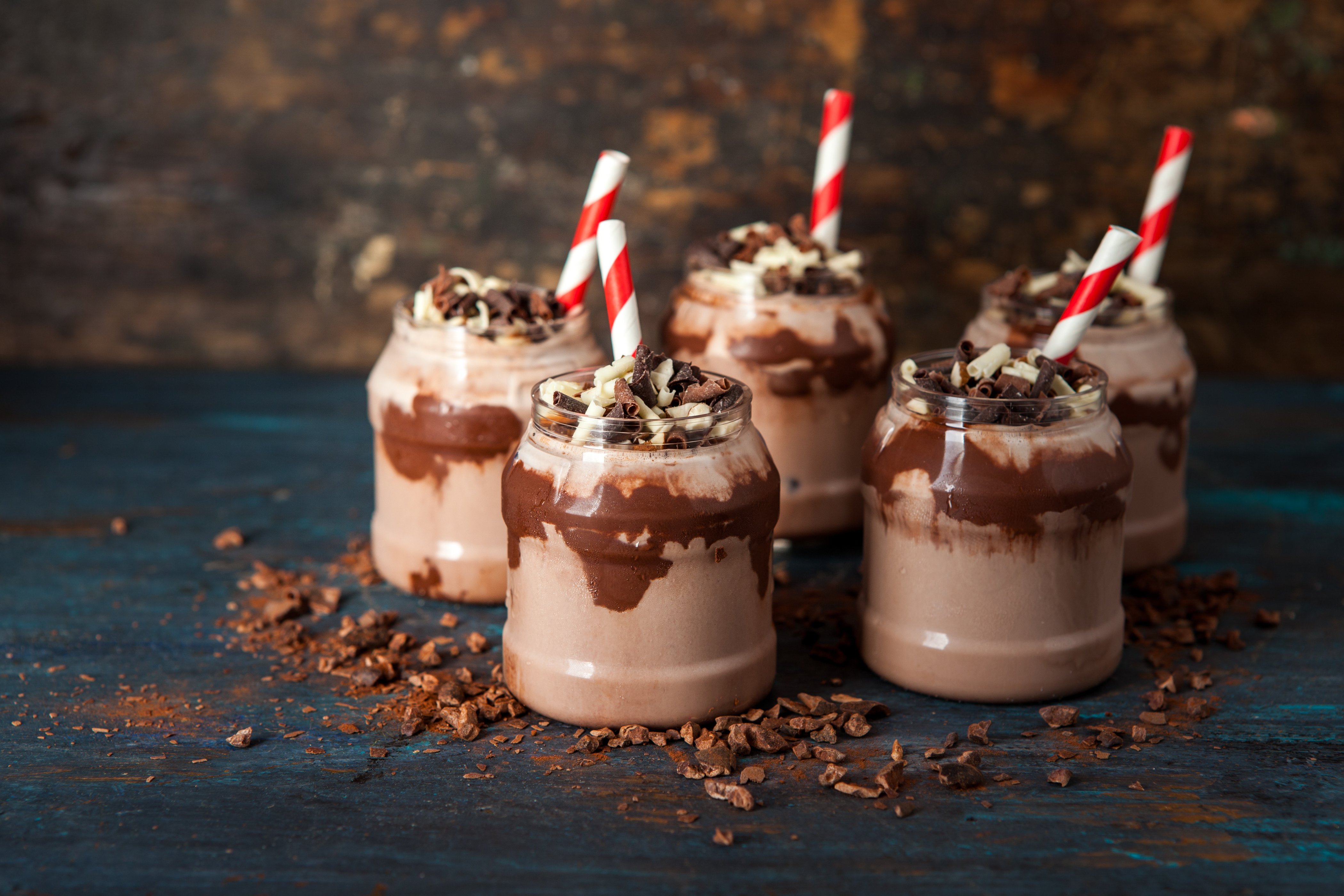
Aegg's rPET heritage pot, made from food-safe recycled material
3. Sustainability: A Non‑Negotiable Expectation. But Will Consumers Pay for It?
The UK continues to lead in sustainability commitments, but the global picture is more mixed. As international markets tighten rules around “green” claims, scrutiny is increasing, and so are compliance costs.
What we’re seeing
- Sustainable packaging is now a baseline expectation, not a differentiator.
- Brands are simplifying materials to improve recyclability and reduce EPR/PPT exposure.
- The big question emerges:
Will consumers continue to pay more for sustainable packaging during a cost‑of‑living squeeze?
4. Changing Consumer Behaviour: Less Going Out, More Eating In
With disposable income falling, consumers are cutting back on dining out, premium spirits, and on‑trade purchases. At the same time, supermarket meal deals and ready‑to‑eat options are seeing renewed growth.
Packaging implications
- Growth in convenience formats such as microwaveable trays, grab‑and‑go pots and portion-controlled packs.
- Potential decline in highly decorated premium spirits bottles, which attract higher EPR fees.
- Increased demand for cost‑effective, recyclable packaging that supports value-driven retail propositions.
5. Delivery Growth Continues, Boosting Demand for Carrier and Transit Packaging
More consumers are choosing delivery over in‑store shopping, whether for groceries, meal kits or beverages.
What this means for packaging
- Growth in robust, lightweight carrier packaging that protects products while minimising material use.
- Increased focus on recyclability, as delivery packaging is more likely to enter household waste streams.
- Opportunities for brands to differentiate through unboxing experiences, but within EPR-friendly limits.
The delivery boom isn’t slowing, and packaging must keep pace.
6. EPR Modulated Fees Challenge Glossy, Decorative Packaging
With EPR’s red/amber/green cost structure now in full effect, packaging that is difficult to recycle, including heavily decorated or metallised spirit bottles, faces higher fees.
Likely outcomes
- Reduction in high-gloss, multi-layer decorations that hinder recyclability.
- Shift toward simpler, single-material designs that score better under EPR.
- Premiumisation through shape and structure, rather than inks and coatings.
Expect a move toward “quiet luxury” in packaging: elegant, minimal, and recyclable.
7. Cheap Shipping from China: A Double-Edged Sword
Shipping rates from China remain unusually low, making imported packaging more cost‑competitive.
Risks and opportunities
- Cheaper, less sustainable packaging may re-enter the market, challenging UK and EU sustainability progress.
- Brands must balance cost savings with compliance, especially under EPR and PPT.
Low-cost imports may tempt some businesses. Long‑term sustainability and regulatory compliance need to sit at the heart of any strategy, underpinned by a resilient supply chain and trusted manufacturing relationships.
8. Interest Rates: The Wildcard of 2026
The reduction in interest rates could ease household budgets, and potentially reverse some of the “stay at home” behaviour currently shaping the market.
What to watch
- Lower mortgage costs may increase consumer spending, potentially boosting on‑trade sales again.
- Due to the unpredictability of interest rates, brands should build flexibility into packaging procurement.
2026 may be a year of contradictions, and agility will be essential.
In Summary
While the economic outlook for 2026 may feel challenging, the packaging industry is entering a period of rapid innovation driven by regulation, consumer behaviour and sustainability commitments. Businesses that embrace lightweighting, simplify materials, secure recycled content supply, and adapt to shifting consumer habits will be best positioned to thrive.
Packaging remains a powerful tool: not just for protecting products, but for reducing costs, improving sustainability performance and strengthening brand trust in a changing world.
This article was compiled by Aegg Creative Packaging, packaging partners to food and drink manufacturers, supermarkets, as well as food outlets across the UK. We provide recyclable and lighter-weight glass and plastic food and drinks packaging.
Please get in touch if you would like to discuss your packaging requirements.
Join us on our packaging journey!
Stay updated with our latest innovations, achievements and technical articles!
Follow us on our social media channels (LinkedIn and Instagram)
Subscribe to our monthly newsletter
Let's continue to make a positive packaging impact together.
.png?width=620&height=372&name=Blog%20images%20(29).png)